Devon Price’s work illuminates the profound journey of unmasking, revealing the harm of camouflaging autistic traits and advocating for authentic self-expression.
This process involves shedding learned behaviors to navigate neurotypical societal expectations, fostering genuine connections and improved mental wellbeing for autistic individuals.
What is Autism Masking?
Autism masking, also known as camouflaging, represents the phenomenon where autistic individuals consciously or unconsciously suppress their autistic traits and attempt to imitate neurotypical behaviors. This often involves meticulously learning social cues, mimicking expressions, and forcing eye contact – actions that don’t come naturally.
Essentially, it’s a performance, a lifetime of adapting to fit in, often driven by societal pressures and a desire to avoid judgment or rejection. Devon Price’s work highlights how masking isn’t a choice, but a learned survival strategy. It’s about understanding how autistic people have been taught to behave, carry themselves, and even feel, in order to be accepted. This constant adaptation can be incredibly exhausting and detrimental to one’s authentic self.
The Prevalence of Masking in Autistic Individuals
Masking is remarkably common within the autistic community, with research suggesting a significant majority of autistic individuals engage in it to varying degrees. This isn’t surprising, given the pervasive societal expectation of neurotypicality and the potential consequences of openly displaying autistic traits.
Devon Price’s work emphasizes that many autistic people have spent a lifetime being explicitly or implicitly instructed on “how to perform” neurotypically. This includes managing behaviors, controlling expressions, and suppressing stimming. The prevalence underscores the systemic pressures forcing autistic individuals to conceal their true selves, highlighting the urgent need for greater acceptance and understanding of neurodiversity.
Why People Mask: Societal Pressures and Internalized Stigma
Masking stems from a complex interplay of external pressures and internal beliefs. Societal expectations prioritize neurotypical behavior, leading to discrimination and rejection for those who deviate. Autistic individuals often mask to avoid bullying, social exclusion, or professional disadvantages.
However, internalized stigma plays a crucial role; many autistic people internalize negative societal messages about autism, believing their natural traits are undesirable or flawed. This drives them to suppress their authentic selves, striving for acceptance through imitation. Devon Price highlights this damaging cycle, emphasizing the need to challenge these internalized beliefs and foster self-acceptance.
The Core Concepts of Devon Price’s “Unmasking Autism”
Price’s framework centers on recognizing autistic identity, re-evaluating autism’s understanding, embracing special interests, living authentically, and practicing self-compassion during the unmasking journey.
Recognizing Your Autistic Identity
Acknowledging one’s autistic identity is the foundational step in Devon Price’s unmasking process. This often involves a period of self-discovery, potentially following a late-in-life diagnosis or self-identification, where individuals begin to understand lifelong patterns through a neuroaffirming lens.
It’s about recognizing that differences aren’t deficits, and behaviors previously perceived as flaws are, in fact, integral parts of an autistic experience. This recognition challenges internalized stigma and societal pressures to conform.
Understanding autism as a different way of being, rather than a condition to be “fixed,” is crucial. This shift in perspective allows for self-acceptance and the beginning of a journey towards authenticity, dismantling years of masking and performance.
Re-evaluating Traditional Understandings of Autism
Traditional views of autism often center deficits and pathology, focusing on what autistic individuals lack compared to neurotypical standards. Devon Price challenges this framework, advocating for a neurodiversity paradigm that celebrates autistic neurology as a natural variation.
This re-evaluation requires dismantling harmful stereotypes and recognizing the strengths inherent in autistic ways of thinking and experiencing the world. It’s about questioning the assumption that “normal” is inherently superior and embracing difference.
Unmasking necessitates rejecting the medical model’s emphasis on “curing” autism and instead prioritizing acceptance, accommodation, and self-advocacy. This shift fosters self-compassion and empowers autistic individuals to live authentically.
Embracing Special Interests as Authentic Parts of Self
Special interests, often dismissed or minimized in traditional autism understanding, are revealed by Devon Price as vital sources of joy, expertise, and self-regulation for autistic individuals. These intense focuses aren’t merely hobbies; they are core to identity.
Unmasking involves actively cultivating and celebrating these passions, rather than suppressing them to conform to neurotypical expectations. Allowing oneself to deeply engage with special interests provides a sense of purpose and fulfillment.
This acceptance combats internalized stigma and fosters self-worth. Recognizing the value of these interests is crucial for building a life aligned with authentic self, rejecting the pressure to appear “well-rounded” at the expense of genuine passion.
Living by Your Principles: Authenticity and Values
Devon Price’s framework emphasizes aligning one’s life with deeply held principles as a cornerstone of unmasking. This involves identifying personal values – what truly matters – and making choices that reflect those beliefs, even if they diverge from societal norms.
Authenticity isn’t simply about revealing autistic traits; it’s about constructing a life built on integrity and self-respect. This often requires challenging internalized expectations and prioritizing personal needs.
Living by one’s principles fosters a sense of inner peace and self-acceptance, reducing the cognitive load of maintaining a mask. It’s a continuous process of self-discovery and courageous self-expression, leading to a more fulfilling existence.
Self-Compassion and Grace During the Unmasking Process
Unmasking is not a linear journey; it’s filled with moments of vulnerability, discomfort, and potential setbacks. Devon Price stresses the vital importance of self-compassion throughout this process, recognizing that unlearning a lifetime of masking requires immense courage and patience.
Extending grace to oneself – acknowledging imperfections and accepting that mistakes are part of growth – is crucial. It’s about treating yourself with the same kindness and understanding you would offer a friend.
This involves challenging self-criticism and embracing the messy, imperfect reality of authentic living, fostering a supportive inner dialogue during this transformative period.
The Harmful Effects of Prolonged Masking
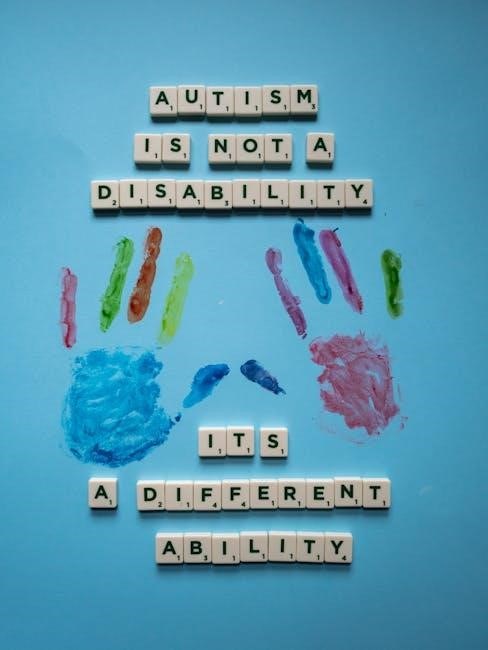
Prolonged masking leads to burnout, diminished self-esteem, and difficulties forming genuine connections, as autistic individuals expend energy maintaining a facade.
Burnout and Mental Health Consequences
Masking, while seemingly adaptive, exacts a significant toll on mental wellbeing, frequently culminating in burnout. This isn’t simply tiredness; it’s a state of exhaustion—physical, mental, and emotional—resulting from consistently suppressing one’s authentic self.
The constant effort to interpret social cues, mimic neurotypical behaviors, and regulate sensory experiences depletes cognitive resources. This chronic strain can manifest as increased anxiety, depression, and even physical health problems.
Price’s work emphasizes that burnout isn’t a personal failing, but a predictable consequence of systemic pressures forcing autistic individuals to conform. Recognizing masking as the root cause is crucial for effective intervention and self-care.
Impact on Self-Esteem and Identity
Prolonged masking profoundly impacts self-esteem and the development of a coherent identity. When individuals consistently present a false self, they lose touch with their authentic needs, preferences, and values. This disconnect fosters feelings of inadequacy, shame, and self-doubt.
Internalizing the message that one’s natural way of being is “wrong” erodes self-worth. The constant performance of neurotypicality creates a distorted self-perception, hindering genuine self-acceptance.
Devon Price highlights that unmasking is not merely about removing behaviors, but about reclaiming a lost sense of self—a process of rediscovering and honoring one’s true identity.
Difficulties in Forming Genuine Connections
Masking hinders the formation of truly genuine connections because relationships are built on a foundation of pretense rather than authenticity. When individuals conceal their true selves, interactions lack depth and intimacy, leading to feelings of loneliness and isolation.
Maintaining a facade requires significant emotional energy, leaving little capacity for reciprocal vulnerability. Others respond to the presented persona, not the authentic individual, creating a disconnect that prevents meaningful bonds.
Devon Price’s work emphasizes that unmasking allows for the possibility of attracting people who appreciate and value one’s genuine self, fostering relationships built on mutual understanding and acceptance.
Strategies for Unmasking
Price outlines a step-by-step guide: recognizing autistic identity, re-evaluating autism understandings, embracing special interests, embodying principles, and practicing self-compassion during reflection.
Identifying Your Mask: Recognizing Behaviors and Patterns
Recognizing the “mask” requires deep introspection, pinpointing behaviors adopted to appear neurotypical. This often involves mimicking social cues, suppressing stimming, and forcing eye contact – actions draining significant energy.
Consider instances where you felt compelled to behave differently than your natural inclination. Were you consciously altering your tone, interests, or expressions to fit in? Reflect on childhood experiences; many autistic individuals learn to mask early on, internalizing societal expectations.
Price’s work emphasizes identifying these patterns. Journaling, mindfulness, and seeking feedback from trusted individuals can illuminate these masked behaviors, paving the way for authentic self-expression and a deeper understanding of your true self.
Gradual Reduction of Masking Behaviors
Unmasking isn’t an abrupt removal of all adapted behaviors, but a gradual process of reducing them. Start with small, safe environments where you feel comfortable experimenting with authenticity.
Perhaps allow yourself to stim discreetly, or express a special interest without censoring yourself. Devon Price advocates for self-compassion during this phase; setbacks are inevitable. It’s about finding a balance between authenticity and navigating societal demands.
Prioritize self-care and recognize that unmasking can be emotionally taxing. Slowly expanding these authentic expressions into more challenging contexts builds confidence and fosters genuine connections, ultimately leading to a more fulfilling life.
Creating Safe Spaces for Authenticity
Establishing safe spaces is crucial for unmasking, allowing autistic individuals to explore their true selves without fear of judgment or negative consequences. These spaces can be physical – a quiet room – or relational, involving trusted friends, family, or support groups.
Devon Price’s work emphasizes the importance of surrounding yourself with people who accept and celebrate your neurodiversity. Within these spaces, practice expressing your needs, interests, and boundaries authentically.
Cultivating these environments fosters self-acceptance and provides a foundation for gradually extending authenticity into broader contexts, ultimately promoting wellbeing and genuine connection.
Communicating Your Needs and Boundaries
Effectively communicating needs and boundaries is a cornerstone of unmasking, empowering autistic individuals to advocate for themselves and create environments that support their wellbeing. This involves clearly articulating sensory sensitivities, social preferences, and emotional limits.
Devon Price’s guidance highlights the importance of assertive communication, even when it feels uncomfortable. Start small, practicing with trusted individuals before extending to wider contexts.
Remember, setting boundaries isn’t selfish; it’s self-preservation. It allows for authentic connection and prevents burnout, fostering a life lived in alignment with your true self and values.
Unmasking in Different Contexts
Unmasking varies across settings – work, relationships, and family – requiring tailored approaches to navigate expectations and foster authenticity in each unique environment;
Unmasking at Work: Navigating Professional Environments
Unmasking in the workplace presents unique challenges, as professional settings often heavily emphasize neurotypical communication and behavioral norms. Individuals may have spent years meticulously crafting a persona to fit in, leading to significant exhaustion and burnout.
Gradually reducing masking—such as minimizing forced eye contact, allowing for stimming when appropriate, or directly communicating needs—can be empowering, but requires careful consideration. Assessing workplace culture is crucial; a supportive environment is vital for successful unmasking.
Advocating for reasonable accommodations, clearly articulating communication preferences, and setting firm boundaries are essential steps. Remember, authenticity boosts long-term job satisfaction and performance, even amidst initial discomfort or potential misunderstandings.

Unmasking in Relationships: Building Authentic Connections
Unmasking within intimate relationships requires vulnerability and open communication. Many autistic individuals have historically presented a neurotypical facade, fearing rejection or misunderstanding if their true selves were revealed. This can lead to deeply unsatisfying connections built on pretense rather than genuine compatibility.
The process of revealing one’s authentic self—including special interests, sensory sensitivities, and communication styles—can be daunting, but is crucial for fostering intimacy and trust. It’s vital to find partners who embrace neurodiversity and are willing to learn and adapt.
Establishing clear boundaries and expressing needs directly, rather than relying on hints or indirect communication, strengthens the foundation for a truly authentic and fulfilling relationship.
Unmasking Within Family: Addressing Misunderstandings and Expectations
Unmasking within family dynamics often presents unique challenges, as deeply ingrained patterns and expectations can be difficult to shift. Years of camouflaging autistic traits may have led to family members perceiving a neurotypical persona, making the revelation of one’s authentic self a significant adjustment.
Addressing misunderstandings requires patience, empathy, and clear communication. Sharing resources like Devon Price’s work can help family members understand autism from a neurodiversity-affirming perspective, moving away from deficit-based views.
Setting boundaries and advocating for one’s needs is essential, even when met with resistance. It’s a process of educating and fostering acceptance, ultimately aiming for a more authentic and supportive family relationship.
Supporting Autistic Individuals in Unmasking
Allies play a vital role by creating safe, accepting spaces, respecting communication styles, and advocating for neurodiversity, as highlighted by Devon Price’s guidance.
The Role of Allies and Advocates
Allies and advocates are crucial in supporting autistic individuals through the unmasking process, fostering environments where authenticity is not only accepted but celebrated. This involves actively listening to autistic voices and centering their experiences, rather than imposing external expectations.
Effective advocacy means challenging societal norms that pressure autistic individuals to conform, and promoting understanding of neurodiversity. Allies can help create safe spaces where autistic people feel comfortable expressing their true selves without fear of judgment or rejection. Devon Price’s work emphasizes the importance of recognizing and validating autistic experiences, and allies can actively contribute to this by educating themselves and others.
Furthermore, advocating for systemic changes that support neuroinclusion, such as accessible workplaces and inclusive educational practices, is essential for long-term positive impact.
Creating Supportive Environments
Supportive environments are foundational for successful unmasking, requiring a shift from demanding conformity to embracing neurodiversity. This means minimizing sensory overload, respecting communication differences, and valuing special interests – all key components highlighted in resources like Devon Price’s work.
Such spaces prioritize understanding and acceptance over correction or “fixing.” Practical steps include offering flexible work arrangements, providing clear and direct communication, and allowing for stimming or other self-regulating behaviors. It’s about recognizing that autistic individuals thrive when they can be their authentic selves.
Critically, these environments must be co-created with autistic individuals, ensuring their needs and preferences are central to the design.
Understanding and Respecting Autistic Communication Styles
Autistic communication often diverges from neurotypical norms, encompassing directness, literal interpretations, and varied use of nonverbal cues. Devon Price’s work emphasizes that these differences aren’t deficits, but alternative ways of interacting, crucial to respect during unmasking.
Avoid expecting eye contact, interpreting pauses as disinterest, or relying heavily on implied meaning. Instead, prioritize clear, concise language, and allow ample time for processing. Recognize that autistic individuals may communicate their needs differently, potentially through written communication or alternative methods.
Genuine connection flourishes when communication is adapted to the individual, fostering trust and authenticity.
Resources for Further Exploration
Devon Price’s “Unmasking Autism” and “Unmasking for Life” are vital starting points, alongside online communities and therapists specializing in neurodiversity.
Books and Literature on Autism and Unmasking
Devon Price’s groundbreaking work, “Unmasking Autism: Discovering the New Faces of Neurodiversity,” serves as a cornerstone resource, offering a deeply personal and scholarly exploration of masking’s damaging effects.
Complementing this, “Unmasking for Life: The Autistic Person’s Guide to Connecting, Loving, and Living Authentically” provides practical tools for navigating relationships, work, and daily life while embracing authenticity.
These books offer invaluable insights into recognizing masking behaviors, understanding the societal pressures that contribute to them, and cultivating self-compassion throughout the unmasking journey.
Further exploration can include works by other autistic authors and researchers, broadening perspectives on neurodiversity and the importance of self-advocacy.
Online Communities and Support Groups
Engaging with online communities provides a vital space for autistic individuals to connect, share experiences, and find support during the unmasking process. Numerous platforms foster a sense of belonging and understanding, crucial for navigating this often-isolating journey.
These groups offer a safe environment to discuss challenges, celebrate authenticity, and learn from others who have embarked on similar paths of self-discovery, often referencing resources like Devon Price’s work.
Social media platforms, forums, and dedicated websites host thriving communities where individuals can exchange advice, encouragement, and practical strategies for unmasking in various contexts.
Finding these spaces can be incredibly empowering, reinforcing the validity of autistic experiences and promoting self-acceptance.
Professional Therapists and Counselors Specializing in Autism
Seeking guidance from therapists and counselors specializing in autism can be immensely beneficial during unmasking. These professionals offer a safe and supportive environment to explore internalized societal expectations and develop strategies for authentic self-expression.
They can assist in identifying masking behaviors, processing related emotions, and building self-compassion throughout the process, often utilizing insights from resources like Devon Price’s “Unmasking Autism.”
A qualified therapist can provide tailored support, addressing individual needs and challenges encountered while navigating unmasking in various life contexts.
Finding a professional knowledgeable about neurodiversity and affirming of autistic experiences is crucial for a positive and empowering therapeutic journey.
The Future of Autism Acceptance and Unmasking
Unmasking fuels a shift towards genuine neurodiversity acceptance, empowering self-advocacy and fostering long-term wellbeing through authentic living, as Price advocates.
Shifting Societal Perspectives on Neurodiversity
Devon Price’s work, including “Unmasking Autism,” is instrumental in challenging conventional understandings of neurodiversity and prompting a crucial societal re-evaluation. Historically, autism has been viewed through a deficit-based lens, emphasizing what individuals lack compared to neurotypical standards. However, unmasking reveals the inherent strengths and unique perspectives autistic individuals possess when freed from the constraints of camouflaging.
This shift necessitates moving beyond mere tolerance towards genuine acceptance and celebration of neurological differences. A future embracing neurodiversity requires dismantling systemic barriers, fostering inclusive environments, and prioritizing autistic voices in all aspects of life – from education and employment to healthcare and social interactions. Ultimately, recognizing the value of diverse minds enriches society as a whole.
The Importance of Self-Advocacy
Unmasking Autism powerfully underscores the critical role of self-advocacy for autistic individuals. Historically marginalized and often misunderstood, autistic people have frequently had their needs and experiences defined by others. Price’s work emphasizes reclaiming agency and actively participating in shaping one’s own narrative, challenging internalized stigma and societal expectations.
Self-advocacy encompasses communicating needs and boundaries, seeking appropriate support, and challenging discriminatory practices. It’s about asserting the right to live authentically, embracing one’s identity, and demanding respect. Empowering autistic individuals to advocate for themselves is fundamental to fostering a more inclusive and equitable society, ensuring their voices are heard and valued.
Long-Term Benefits of Living Authentically
Devon Price’s “Unmasking Autism” highlights the substantial, long-term benefits derived from embracing authenticity. Shedding the mask reduces chronic stress and the risk of burnout, significantly improving mental and physical health. Living genuinely fosters deeper, more meaningful connections built on mutual understanding and acceptance, rather than performance.
Authenticity cultivates self-compassion and boosts self-esteem, allowing individuals to recognize and value their unique strengths and perspectives. It unlocks the potential for pursuing passions and interests without constraint, leading to a more fulfilling and purposeful life. Ultimately, unmasking empowers autistic individuals to thrive as their true selves.