Watch Wrist Size Guide: Finding Your Perfect Fit (Updated 12/17/2025)
Finding the ideal watch size involves balancing comfort and aesthetics; our detailed guide helps you navigate case sizing‚ ensuring a proportional look for your wrist.
Utilize online calculators and charts to determine your safe-zone range‚ guaranteeing a stylish and comfortable timepiece tailored to your unique wrist dimensions.
Understanding the Importance of Watch Size
Watch size profoundly impacts both the comfort and visual harmony of your timepiece. A watch that’s too large can appear disproportionate and feel cumbersome‚ while one that’s too small might lack presence and seem lost on your wrist. Selecting the right size isn’t merely about aesthetics; it’s about achieving a balanced and confident look.
Proper watch sizing ensures the case sits comfortably without digging into your skin or feeling unstable during movement. It’s crucial to consider not just the case diameter‚ but also the lug-to-lug measurement and case thickness‚ as these factors contribute significantly to overall wearability. Ignoring these aspects can lead to discomfort and a less-than-ideal wearing experience.
Ultimately‚ understanding the importance of watch size empowers you to choose a timepiece that complements your wrist and personal style‚ enhancing your overall appearance and confidence. It’s a key element in making a statement and enjoying your watch to the fullest.
Why Wrist Size Matters for Watch Proportions
Wrist size dictates the proportional relationship between your watch and your body. A watch’s visual weight should harmonize with the circumference of your wrist‚ creating a balanced aesthetic. Larger wrists can generally accommodate larger watch faces‚ while smaller wrists benefit from more understated sizes.
The goal is to avoid a watch appearing either overwhelmingly large – dominating the wrist – or insignificantly small – getting lost in the overall look. Proportion ensures the watch enhances‚ rather than detracts from‚ your style. Consider the watch face as a visual element that should complement‚ not overpower‚ your wrist’s dimensions.
Ignoring wrist size can lead to an unbalanced appearance‚ potentially making your hand look smaller or the watch appear awkwardly placed. Finding the right proportion is about achieving a cohesive and visually pleasing ensemble‚ reflecting a thoughtful approach to personal style.
Tools You’ll Need for Accurate Measurement
Achieving a precise wrist measurement requires minimal tools‚ but accuracy is key for selecting the perfect watch size. The most essential item is a flexible measuring tape – ideally‚ a fabric or vinyl tape designed for body measurements. These conform comfortably to the wrist’s shape‚ providing a more accurate reading than rigid rulers.
Alternatively‚ a piece of string or floss can be used. Wrap it snugly around your wrist‚ mark the point where it overlaps‚ and then measure the string with a standard ruler or measuring tape. A pen or marker is needed if using the string method to clearly indicate the overlap point.
While not strictly necessary‚ having a mirror can be helpful to visually confirm the tape or string is positioned correctly. Finally‚ a notebook and pen are useful for recording your measurements in both centimeters and inches for comprehensive reference.
Measuring Your Wrist
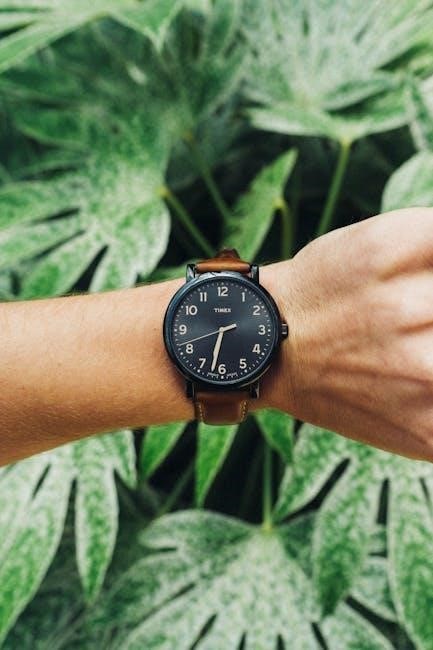
Accurate wrist measurement is crucial for finding the right watch fit; follow our simple techniques to determine your wrist circumference for optimal comfort and style.
How to Accurately Measure Your Wrist Circumference
Measuring your wrist circumference accurately is the foundational step in finding a watch that fits perfectly. You’ll need a flexible measuring tape – a fabric one is ideal‚ but a plastic one will also work. Begin by finding your wrist bone; it’s the prominent bump on the inside of your wrist.
Position the measuring tape snugly‚ but not tightly‚ just above this wrist bone. Ensure the tape is parallel to your hand‚ not twisted or angled. Bring the end of the tape around your wrist until it meets the starting point. Read the measurement where the tape overlaps – this is your wrist circumference.
For the most accurate result‚ repeat the measurement two or three times and average the readings. It’s important to avoid pulling the tape too tight‚ as this will result in a smaller measurement and a watch that feels constricted. Conversely‚ a loose measurement will lead to a watch that slides around. Record your measurement in both centimeters and inches for maximum compatibility with various sizing charts.
Determining Your Wrist Size Category (Small‚ Medium‚ Large)
Categorizing your wrist size simplifies the process of selecting an appropriately sized watch. Generally‚ wrist sizes fall into three main categories: Small‚ Medium‚ and Large. A wrist circumference of 14cm (5.5 inches) or less is considered Small. Individuals with smaller wrists often benefit from watches with case diameters of 26mm to 36mm.
A Medium wrist typically measures between 15cm (5.9 inches) and 18cm (7.1 inches). This is the most common wrist size‚ and a wide range of watch sizes – from 38mm to 42mm – will generally look proportional. Finally‚ a wrist circumference of 18cm (7.1 inches) or greater is classified as Large.
Those with larger wrists can comfortably wear watches with case diameters of 44mm and above. Remember these are guidelines; personal preference plays a significant role. Consider your hand size and overall build when determining the best fit for you.
Watch Case Size Guide
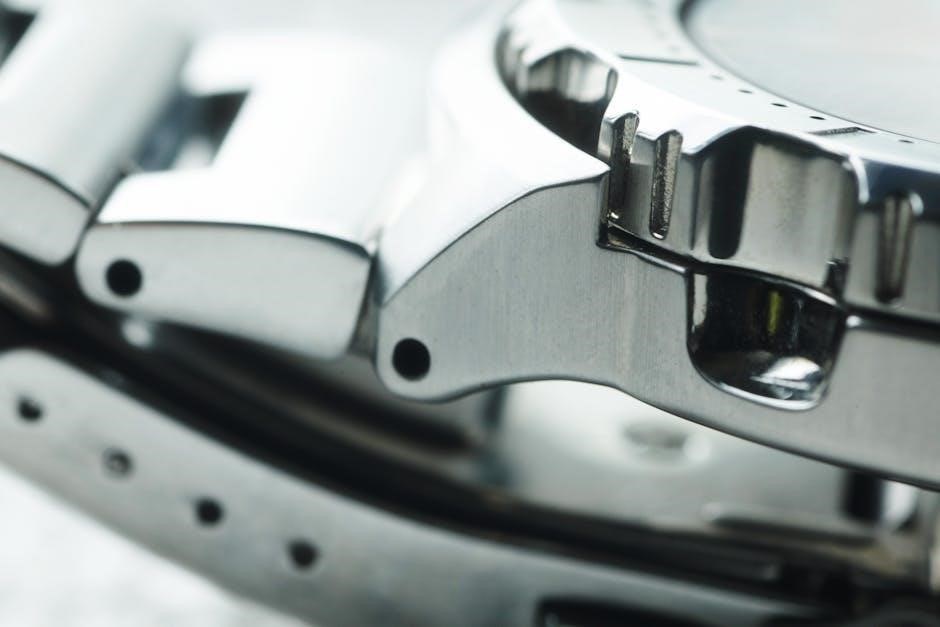
Selecting the right case size is crucial for both comfort and aesthetics; this guide provides recommendations based on wrist circumference‚ ensuring a proportional and stylish fit.
General Guidelines for Case Size Based on Wrist Size
Determining the appropriate watch case size begins with understanding your wrist’s dimensions. Generally‚ for wrists under 6 inches‚ case sizes between 26mm and 36mm are considered ideal‚ offering a balanced and comfortable appearance. For wrists measuring 6 to 7 inches – the most common range – case sizes typically fall between 38mm and 42mm‚ providing a classic and versatile look.
As wrist size increases‚ so can the case size. Wrist circumferences of 7 to 8 inches often pair well with watches ranging from 42mm to 46mm‚ creating a bolder statement. Finally‚ for wrists exceeding 8 inches‚ case sizes of 46mm and above can be considered‚ though maintaining proportionality remains key. These are merely guidelines‚ and personal preference plays a significant role.
Remember that lug-to-lug measurements are equally important‚ ensuring the watch doesn’t overhang the wrist. A well-proportioned watch complements the wrist‚ enhancing overall style and comfort‚ rather than appearing overwhelming or undersized.
Specific Case Size Recommendations by Wrist Circumference (cm/inches)
For wrists measuring 14-15cm (5.5-5.9 inches)‚ a case size of 28-34mm is generally recommended‚ offering a delicate and proportionate fit. Wrist sizes of 16-17cm (6.3-6.7 inches) suit case diameters between 36-38mm‚ striking a balance between elegance and visibility.
With a 17.5-18.5cm (6.9-7.3 inches) wrist‚ consider watches with case sizes ranging from 39-42mm for a classic and versatile aesthetic. For larger wrists‚ 19-20cm (7.5-7.9 inches)‚ case sizes of 42-44mm provide a bolder presence.
Wrist circumferences exceeding 20cm (7.9 inches) can accommodate case sizes of 45mm and above‚ but prioritize lug-to-lug measurements to avoid overhang. These recommendations are starting points; individual style and watch design influence the optimal choice. Always prioritize comfort and visual harmony when selecting a watch size.
Women’s Watch Size Guide
Generally‚ women’s wrists range from 14cm to 18cm (5.5 to 7.1 inches)‚ with an average of 16cm (6.3 inches). For wrists under 15cm‚ delicate watches with case sizes between 26mm and 30mm offer a refined look. A 15-16cm wrist pairs beautifully with 32mm to 36mm cases‚ providing a balanced proportion.

For the average 16cm wrist‚ 36mm-38mm watches are popular choices‚ offering both style and readability. Larger wrists‚ 16.5cm to 18cm‚ can comfortably wear watches ranging from 38mm to 40mm‚ depending on personal preference.
Consider the watch’s overall design; minimalist styles can handle slightly larger cases. Don’t be afraid to experiment‚ but prioritize comfort and ensure the watch doesn’t overwhelm your wrist; Smaller cases often convey elegance‚ while larger ones make a bolder statement.
Average Wrist Size for Women & Corresponding Watch Sizes
The average women’s wrist size is approximately 16cm (6.3 inches). For this size‚ a watch case diameter of 36mm to 38mm generally provides a balanced and proportional aesthetic. However‚ personal style significantly influences the ideal size.
For smaller wrists (under 15cm)‚ watches in the 26mm to 32mm range are often preferred‚ offering a more delicate appearance. Medium wrists (15cm ─ 16.5cm) can comfortably accommodate 32mm to 36mm cases. Larger wrists (16.5cm, 18cm) can explore sizes from 36mm to 40mm.
Remember these are guidelines; a bolder style might call for a larger watch even on a smaller wrist. Consider the watch’s lug-to-lug measurement for optimal fit and comfort. Prioritize a watch that feels secure and doesn’t overwhelm your hand.
Men’s Watch Size Guide
Generally‚ men’s wrist sizes range from 16.5cm (6.5 inches) to 21cm (8.3 inches). A watch case diameter of 40mm to 42mm is often considered a versatile and proportional choice for the average male wrist.
For smaller wrists (under 17.8cm)‚ watches between 38mm and 40mm can provide a more refined look. Medium wrists (17.8cm ─ 19cm) typically suit case sizes from 40mm to 44mm. Larger wrists (19cm and above) can confidently wear watches ranging from 44mm to 48mm or even larger‚ depending on preference.
However‚ individual style plays a crucial role. A minimalist aesthetic might favor a smaller watch‚ while a more robust style could benefit from a larger case. Always consider the lug-to-lug distance to ensure a comfortable and secure fit‚ avoiding overhang beyond the wrist edges.
Average Wrist Size for Men & Corresponding Watch Sizes
The average wrist size for men falls around 18.5cm (7.3 inches). For this common wrist circumference‚ a watch case diameter of 42mm to 44mm generally provides a balanced and aesthetically pleasing proportion.
A 17cm (6.7 inch) wrist pairs well with watches in the 39mm ─ 42mm range‚ offering a classic and comfortable fit. For a 19cm (7.5 inch) wrist‚ sizes between 43mm and 46mm are often ideal‚ creating a bolder presence. Men with 20cm (7.9 inch) wrists can comfortably wear watches from 46mm to 48mm or larger.
Remember these are guidelines; personal preference matters. Thicker watches may require a slightly smaller case diameter for optimal comfort. Prioritize a secure fit and avoid excessive overhang to ensure a stylish and confident look.

Beyond Case Size: Other Important Factors
Lug-to-lug measurement‚ watch thickness‚ and strap width significantly impact comfort and overall fit; consider these elements alongside case size for a truly personalized experience.
Watch Lug-to-Lug Measurement & Its Impact on Fit
Understanding lug-to-lug measurement is crucial for a comfortable and aesthetically pleasing watch fit. Unlike case diameter‚ which measures the watch face‚ lug-to-lug distance determines the watch’s overall length – the span from the tip of one lug to the other. Lugs are the ‘arms’ that connect the watch strap to the watch case.
A watch with a lug-to-lug measurement exceeding your wrist width will overhang‚ potentially causing discomfort and appearing disproportionate. Conversely‚ a measurement too short might look awkward. To determine your ideal lug-to-lug range‚ measure your wrist circumference and aim for a measurement that closely matches or slightly falls below it.
For example‚ if your wrist is 18cm‚ a watch with a lug-to-lug measurement between 18cm and 20cm would likely provide a good fit. Prioritizing this measurement ensures the watch sits securely and comfortably on your wrist‚ enhancing both style and wearability. Ignoring this dimension can lead to a watch that feels bulky or unstable‚ regardless of its case size.
Watch Thickness and Comfort Considerations
Watch thickness significantly impacts daily wearability‚ often overlooked when focusing solely on case diameter. A thicker watch‚ while potentially visually striking‚ can feel cumbersome and catch on clothing‚ especially for those with smaller wrists or active lifestyles. Consider your typical activities and clothing style when evaluating thickness.
Watches under 10mm are generally considered slim and comfortable for most wrists. Between 10mm and 13mm offers a balance between presence and wearability. Anything exceeding 13mm is typically categorized as thick and may require a larger wrist to carry it off comfortably. Wrist flexibility also plays a role; a less flexible wrist may find thicker watches more restrictive.
Furthermore‚ case shape influences perceived thickness. A curved caseback can make a thicker watch feel more contoured and comfortable. Ultimately‚ prioritizing comfort ensures you’ll enjoy wearing your timepiece‚ regardless of its aesthetic appeal. Don’t hesitate to try on watches of varying thicknesses to determine your personal preference.
Strap Width and Wrist Size Compatibility
Strap width is crucial for both aesthetics and comfort‚ often directly correlating with the watch case size and‚ consequently‚ wrist size. A disproportionate strap width can make a watch appear unbalanced or feel uncomfortable. Generally‚ a wider strap complements a larger watch and wrist‚ while a narrower strap suits smaller timepieces and wrists.
For wrists under 6.5 inches‚ strap widths between 18mm and 20mm are typically ideal. Wrists between 6.5 and 7.5 inches usually accommodate 20mm to 22mm straps. Larger wrists‚ exceeding 7.5 inches‚ often benefit from 22mm or wider straps. However‚ these are guidelines‚ and personal preference plays a significant role.
Consider the lug width of the watch case – the space between the lugs where the strap attaches. The strap width should match the lug width. A properly sized strap will visually balance the watch on your wrist and enhance overall comfort during wear‚ ensuring a harmonious and stylish look.

Style Considerations & Personal Preference
Watch size significantly impacts overall aesthetic‚ influencing how a timepiece complements your style; consider occasion and break guidelines for a unique‚ personalized look.
How Watch Size Affects Overall Aesthetic
The size of a watch dramatically influences its visual impact and how it harmonizes with your overall style. A watch that’s proportionally correct for your wrist creates a balanced and sophisticated appearance‚ while an ill-fitting size can disrupt this harmony. Larger watches often project confidence and a bold statement‚ making them suitable for more casual or fashion-forward ensembles.
Conversely‚ smaller‚ more understated watches tend to convey a classic and refined aesthetic‚ pairing well with formal attire or a minimalist style. The watch’s diameter‚ combined with its thickness and lug-to-lug measurement‚ contributes to its presence on the wrist. A watch that overwhelms the wrist can appear ostentatious‚ while one that’s too small might get lost and lack impact.
Ultimately‚ the goal is to select a watch size that complements your wrist size and personal style‚ enhancing your overall look rather than detracting from it. Considering the watch’s design – its dial layout‚ bezel‚ and strap – also plays a crucial role in achieving a cohesive aesthetic.
Choosing a Watch Size for Different Occasions
Selecting the right watch size isn’t a one-size-fits-all decision; it depends heavily on the occasion. For formal events like business meetings or black-tie affairs‚ a more understated and classic watch size is generally preferred. Think slimmer profiles and diameters in the 36mm to 40mm range‚ conveying sophistication and subtlety.

Conversely‚ casual settings and everyday wear allow for greater flexibility. Larger watches‚ with diameters of 42mm or more‚ can make a bolder statement and complement relaxed outfits. During active pursuits or sports‚ consider a more robust and practical size that won’t feel cumbersome or get in the way.
Ultimately‚ versatility is key. Having a few watches in different sizes allows you to adapt your wristwear to any situation‚ ensuring you always present a polished and appropriate look. Don’t be afraid to experiment and find what feels most comfortable and confident for each occasion.
Breaking the “Rules”: When to Deviate from Guidelines
While guidelines offer a solid foundation‚ personal style often transcends strict rules. Don’t hesitate to deviate if a larger watch simply feels right‚ even if your wrist size suggests otherwise. Confidence is a powerful accessory‚ and a watch you love will always look better than one that perfectly fits a chart.
Consider your overall build. A larger individual can often pull off a larger watch‚ while a smaller frame might benefit from a more proportionate size. Fashion trends also play a role; oversized watches have enjoyed periods of popularity‚ encouraging bolder choices.
Ultimately‚ experimentation is encouraged. Try on different sizes and styles to discover what complements your aesthetic. Remember‚ these are suggestions‚ not limitations. Embrace your individuality and choose a watch that reflects your personality‚ regardless of conventional wisdom.

Resources & Calculators
Explore online tools like wrist size and watch size calculators for precise measurements and recommendations. Discover detailed sizing charts at watchresearcher.com for further guidance.
Online Wrist Size & Watch Size Calculators
Numerous online resources simplify the process of determining your ideal watch size. These calculators typically require a simple wrist circumference measurement‚ often in centimeters or inches‚ as input. Once entered‚ the calculator provides a recommended “safe zone” range for watch case diameters.
Staying within this range generally ensures a proportional and aesthetically pleasing fit. These tools are invaluable for those unsure of their wrist size or overwhelmed by the variety of watch sizes available. They eliminate guesswork and offer a starting point for your search.

Websites like watchresearcher.com offer comprehensive calculators and sizing guides. These resources often go beyond basic case size recommendations‚ considering factors like lug-to-lug measurement and watch thickness. Utilizing these calculators can significantly enhance your watch-buying experience‚ leading to a more comfortable and stylish outcome.
Remember that these are guidelines‚ and personal preference plays a crucial role. However‚ calculators provide a solid foundation for making informed decisions.
Where to Find More Detailed Sizing Charts
Beyond basic calculators‚ several websites offer extensive sizing charts that delve deeper into the nuances of watch fit. These charts often categorize wrist sizes into small‚ medium‚ and large‚ providing corresponding case size recommendations. They frequently include both centimeter and inch measurements for convenience.
Watch retailers like Jomashop and Crown & Caliber often feature detailed sizing guides on their websites‚ tailored to the brands they carry. These resources can be particularly helpful when considering specific watch models.
Watch enthusiast forums and blogs‚ such as Watchuseek‚ are also valuable sources of information. Members frequently share their experiences and insights‚ offering real-world perspectives on watch sizing. Watchresearcher.com is a great resource as well.
Exploring these charts allows you to compare recommendations from various sources and refine your understanding of what size watch will best suit your wrist. Remember to consider lug-to-lug measurements and watch thickness alongside case diameter for a truly comfortable fit.