Forager’s Guide to Wild Foods: A Comprehensive Overview
Embark on a journey into the natural world, discovering edible plants and mushrooms, but prioritize safety and careful planning for successful foraging experiences.
Foraging represents a timeless practice, connecting us to the land and offering a sustainable way to source food. It’s experiencing a significant resurgence, driven by a growing desire for self-sufficiency, a deeper understanding of our food systems, and a reconnection with nature’s bounty. This ancient skill involves identifying and harvesting wild plants, mushrooms, and other edible resources from their natural habitats.
However, it’s crucial to approach foraging with respect and responsibility. Successful foraging isn’t simply about taking from the wild; it’s about understanding ecological relationships, practicing ethical harvesting, and ensuring the long-term health of the environment. Proper identification is paramount, as many edible plants have poisonous look-alikes, demanding diligent study and caution.
The Resurgence of Foraging: Why Now?
The renewed interest in foraging stems from several converging factors. Concerns about industrial food production, supply chain vulnerabilities, and the desire for locally sourced, sustainable food are key drivers. Many individuals are seeking a more direct connection to their food, understanding its origins, and minimizing their environmental impact.
Furthermore, foraging offers a unique opportunity to engage with nature, learn about plant life cycles, and appreciate the biodiversity around us. It’s a skill that fosters self-reliance and provides a sense of accomplishment. The current climate also encourages exploration of alternative food sources, and foraging provides a tangible way to supplement diets with fresh, nutritious wild edibles, appealing to both seasoned outdoors enthusiasts and newcomers alike.
Essential Safety Considerations
Prioritize safety above all else when foraging; accurate plant identification is crucial to avoid consuming poisonous look-alikes and ensure a rewarding experience.
Positive Identification: The Golden Rule
Absolute certainty in plant identification is paramount before consumption; never ingest anything unless you are 100% confident in its species. Relying on multiple characteristics – leaf shape, stem structure, flower details, and even scent – is vital. Cross-reference findings with several reputable field guides and, if possible, compare with verified specimens.
Beware of relying solely on online images, as variations can occur. Consider joining local foraging groups or workshops led by experienced experts to gain practical knowledge. Remember, many edible plants have dangerous “doppelgangers” that can cause severe illness or even death. A cautious approach, coupled with thorough research, is the cornerstone of safe foraging practices. When in doubt, throw it out!
Avoiding Poisonous Look-Alikes
The risk of misidentification is a significant concern in foraging, as numerous edible plants possess strikingly similar, yet toxic, counterparts. Thoroughly study potential poisonous look-alikes in your region before venturing out. Pay close attention to subtle differences in leaf arrangement, stem coloration, and the presence or absence of specific features like hairs or spots.
For example, wild carrots resemble poisonous hemlock. Always dig up the entire plant to examine the root structure, a key identifying feature. Never rely on a single characteristic for identification. Utilize multiple field guides and, if uncertain, consult with an experienced forager. Prioritize safety; a misidentified plant can have devastating consequences.
Foraging Legality and Ethics
Responsible foraging demands adherence to both legal regulations and ethical principles. Always obtain permission before foraging on private land, respecting property boundaries and the landowner’s wishes. Public lands often have specific rules regarding what can be harvested and how much. Check with local authorities – parks, forests, or conservation areas – for permits or restrictions.
Ethically, practice sustainable harvesting. Never take more than you need, leaving ample resources for the plant’s regeneration and for wildlife. Avoid damaging the surrounding ecosystem. Spread seeds when possible, and be mindful of rare or endangered species. Foraging is about connection, not exploitation; respect the land and its bounty.
Respecting Private Property and Conservation
Prioritizing land stewardship is paramount for any forager. Always secure explicit permission before entering private property – a verbal agreement isn’t sufficient; obtain written consent whenever possible. Treat the land with reverence, minimizing your impact on the environment. Avoid trampling vegetation or disturbing wildlife habitats.
Conservation efforts rely on responsible harvesting. Never collect plants from areas showing signs of stress or scarcity. Support local conservation organizations and participate in habitat restoration projects. Practice “leave no trace” principles, packing out everything you pack in. Remember, foraging is a privilege, not a right, and sustainable practices ensure future access.
Common Edible Plants for Beginners
Discover readily identifiable plants like dandelions, garlic mustard, and nettles – excellent starting points for novice foragers seeking safe and rewarding harvests.
Dandelions: A Versatile Foraged Food
Often dismissed as weeds, dandelions (Taraxacum officinale) are remarkably versatile and nutritious foraged foods, offering benefits from root to flower. Every part of the dandelion is edible! Young leaves provide a slightly bitter, peppery addition to salads, while older leaves are best cooked like spinach. The flowers can be used to make dandelion wine, fritters, or simply sprinkled on dishes for a cheerful touch.
Even the roots can be roasted and ground into a coffee substitute. However, ensure you are foraging from areas free of pesticides and herbicides. Proper identification is crucial; look for the characteristic jagged leaves and bright yellow flower heads. Dandelions thrive in many environments, making them a readily available resource for beginner foragers, offering a delightful introduction to the world of wild edibles.
Garlic Mustard: Identification and Uses
Garlic mustard (Alliaria petiolata) is a biennial plant increasingly popular among foragers, known for its distinctive garlic-like aroma when crushed. Identification relies on observing its kidney-shaped, coarsely toothed leaves in the first year, and the taller plant with triangular-toothed leaves and small white flowers in the second year. It’s crucial to differentiate it from similar-looking plants.
The leaves, flowers, and roots are all edible. Young leaves are delicious in salads or pesto, while older leaves benefit from cooking. The flowers add a subtle garlic flavor to dishes. Garlic mustard is considered an invasive species in many areas, so foraging it can also contribute to ecological restoration efforts. Always harvest responsibly, leaving enough plants to reproduce.
Wild Berries: A Guide to Safe Harvesting
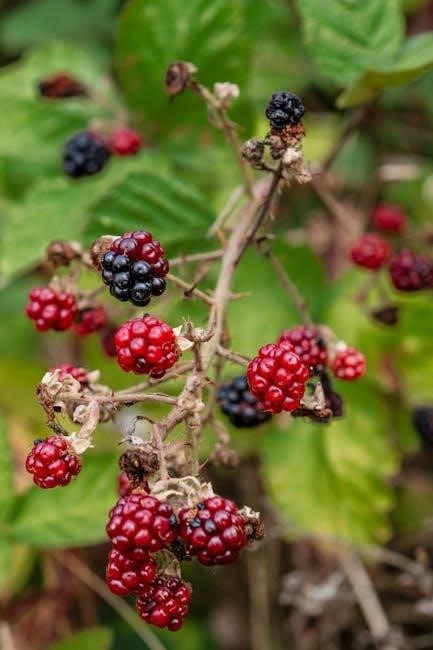
Wild berries offer a delightful foraging reward, but demand extreme caution due to poisonous look-alikes. Positive identification is paramount; never consume a berry unless you are 100% certain of its species. Familiarize yourself with local poisonous berries, such as deadly nightshade, before venturing out. Observe the plant’s entire structure – leaves, stems, and growth pattern – not just the berry itself.
Harvest only fully ripe berries, avoiding those that are green or moldy. Check for signs of animal feeding, which could indicate toxicity. Consume wild berries in moderation initially, to assess any potential allergic reactions. Respect the environment by harvesting sustainably, leaving plenty for wildlife and plant regeneration.
Nettles: Nutritional Powerhouse & Preparation
Stinging nettles are a remarkably nutritious foraged food, packed with vitamins and minerals, but require careful handling. Their stinging hairs cause temporary discomfort, so always wear gloves and long sleeves during harvesting. Young, tender leaves are best, typically found in spring and early summer, in damp, shaded areas;
To neutralize the sting, nettles must be cooked. Blanching or steaming for a few minutes effectively removes the irritant. Once prepared, nettles can be used in soups, stews, teas, or even as a spinach substitute. They offer a slightly earthy flavor and are a fantastic addition to a healthy diet. Remember proper identification to avoid similar-looking, potentially harmful plants.
Foraging for Mushrooms: A Cautious Approach
Mushroom foraging demands extreme caution; proper identification is crucial due to the presence of deadly look-alikes, necessitating expert knowledge and careful study.
Basic Mushroom Identification Principles
Successful mushroom foraging hinges on mastering fundamental identification techniques, moving beyond simple visual assessment. Begin by meticulously observing cap shape, size, and color, noting any distinctive features like scales or bumps. Examine the underside, differentiating between gills, pores, and teeth – each structure indicates different fungal groups.
Stem characteristics are also vital; assess its texture, presence of a ring (annulus), and volva (a cup-like base). Spore prints, created by placing the cap on paper overnight, reveal spore color, a key identifier. Always consider the mushroom’s habitat – what trees grow nearby, and the type of soil?
Cross-referencing multiple characteristics with reliable field guides is paramount. Never rely on a single feature for identification. Remember, variations exist within species, and environmental factors can influence appearance. Prioritize caution and when in doubt, leave it out!
Common Edible Mushrooms (Beginner-Friendly)
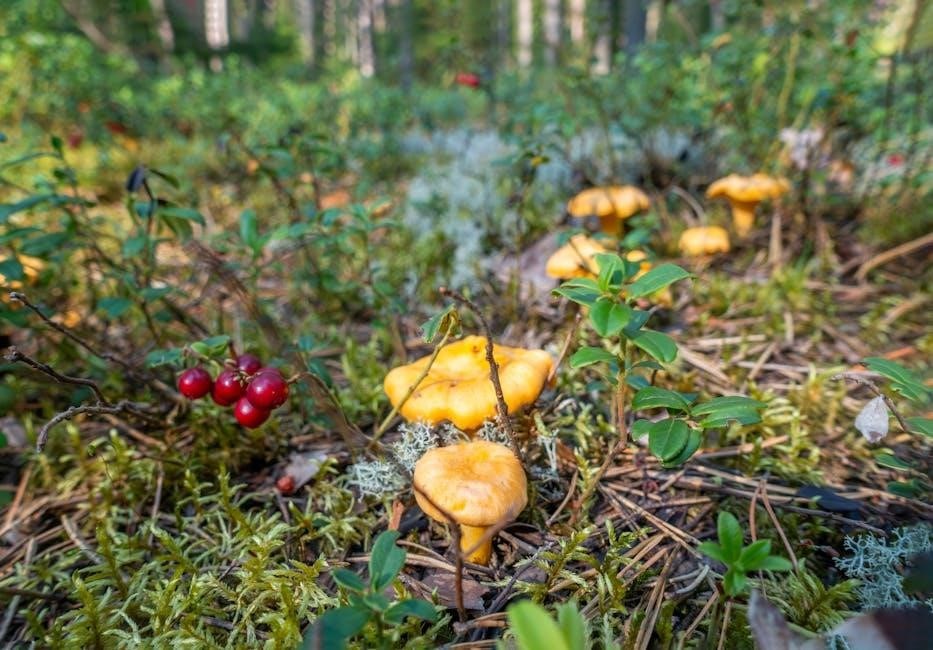
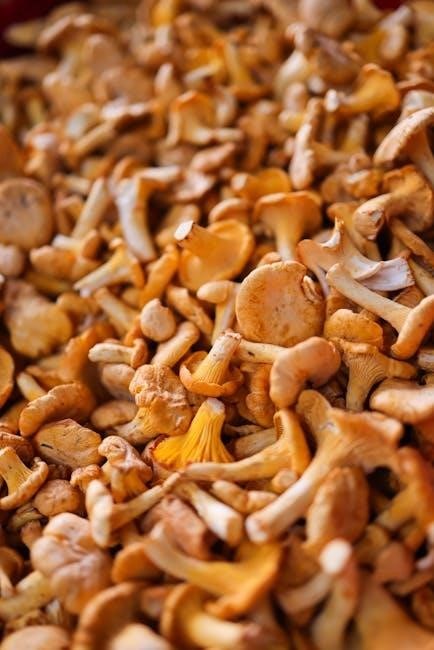
For novice mushroom hunters, several species offer a relatively safe introduction to the world of fungal cuisine. Chanterelles, with their trumpet shape and fruity aroma, are a popular choice, often found near hardwood trees. Oyster mushrooms, growing on decaying wood, are easily recognizable by their shelf-like appearance and delicate flavor.
Chicken of the Woods, a vibrant orange and yellow bracket fungus, is another beginner-friendly option, boasting a texture reminiscent of chicken. Puffballs, when young and firm, are edible, but avoid those with any internal structure.
Crucially, positive identification is paramount before consumption. Always cross-reference with multiple reliable sources and be aware of potential look-alikes. Start with small portions to test for any adverse reactions, and thoroughly cook all wild mushrooms.
Deadly Mushrooms to Avoid
Mushroom foraging demands respect, as several species pose a severe threat to human health. The Death Cap (Amanita phalloides) is responsible for the majority of fatal mushroom poisonings worldwide, exhibiting a greenish hue and a volva at the base. Destroying Angels (Amanita virosa & bisporigera), pure white and equally deadly, are often found in woodlands.
Galerina marginata, a small brown mushroom growing on wood, contains the same toxins as the Death Cap. Webcaps (Cortinarius rubellus & orellanus) cause kidney failure, with symptoms appearing delayed. Never consume a mushroom unless you are 100% certain of its identification.
When in doubt, throw it out! Prioritize safety and consult with experienced mycologists before consuming any wild mushroom.
Tools and Equipment for Foraging
Essential tools include a sharp knife, sturdy basket, field guides, and appropriate clothing for protection; proper containers ensure safe transport of your foraged treasures.
Essential Foraging Tools
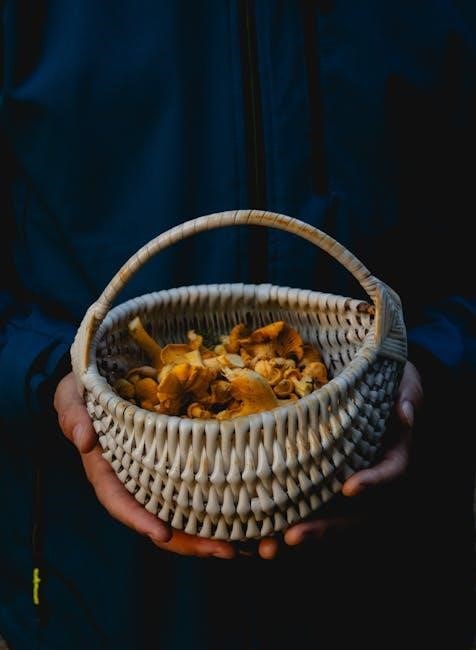
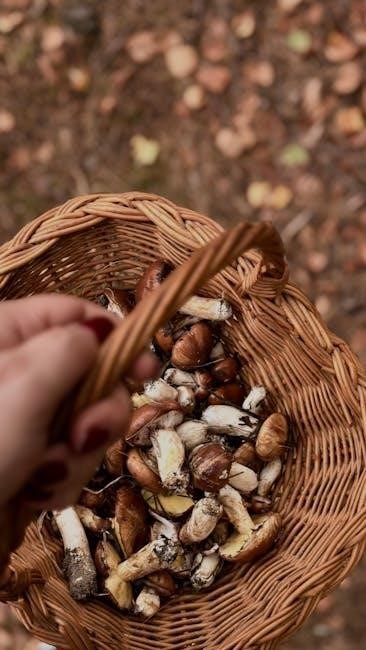
A dedicated foraging kit significantly enhances both safety and efficiency. A high-quality, sharp knife is paramount for cleanly harvesting plants and mushrooms, minimizing damage to the source. Opt for a fixed-blade knife with a comfortable grip. Sturdy baskets or breathable bags are crucial for carrying your finds, allowing air circulation and preventing crushing.
Field guides specific to your region are non-negotiable; accurate identification is the cornerstone of safe foraging. Consider bringing a magnifying glass for examining intricate plant details. Durable, waterproof clothing protects against the elements and potential irritants like thorns or stinging nettles. Gloves are also recommended. A small first-aid kit, including antiseptic wipes and bandages, is a wise precaution for minor scrapes or stings encountered during your explorations.
Finally, a notebook and pen allow you to document your finds, noting locations and observations for future reference. A GPS device or smartphone with mapping capabilities can be invaluable for retracing your steps and marking productive foraging spots.
Containers and Storage Solutions
Proper storage is vital to maintain the quality and safety of your foraged treasures. Avoid plastic bags, as they trap moisture and accelerate spoilage. Instead, utilize breathable containers like woven baskets, mesh bags, or paper bags for immediate transport from the foraging site. This allows for air circulation, preventing premature decomposition.
For longer-term storage, consider the specific needs of each foraged item. Delicate greens like nettles benefit from refrigeration in a loosely sealed container lined with a damp paper towel. Root vegetables require a cool, dark, and dry environment. Drying is an excellent preservation method for many plants and mushrooms, extending their shelf life considerably.
Glass jars are ideal for pickling or fermenting foraged foods, providing an airtight seal and preventing contamination. Always label containers clearly with the contents and date of harvest to ensure proper identification and usage.
Preparing and Preserving Your Foraged Finds
Transform your harvest through cleaning, processing, and preservation techniques like drying and pickling, extending the enjoyment of nature’s bounty throughout the year.
Cleaning and Processing Wild Foods
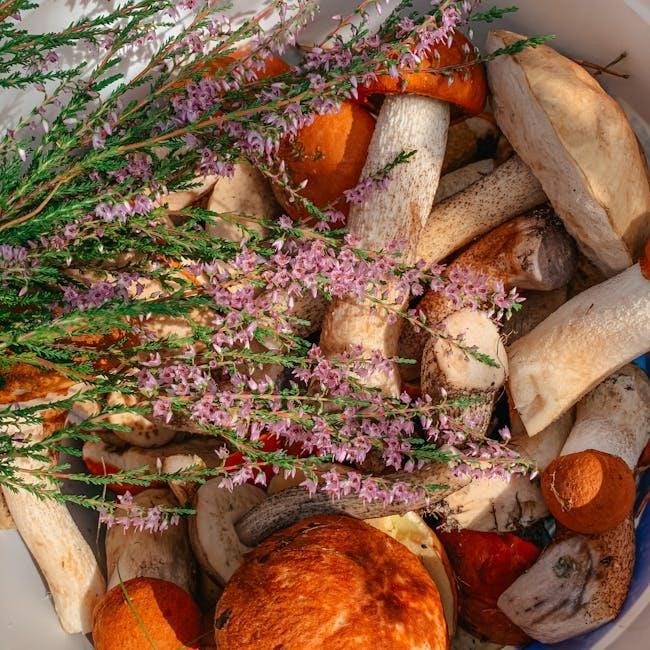
Proper preparation is crucial for enjoying your foraged treasures safely and deliciously. Begin by carefully inspecting all finds, removing any dirt, debris, or insects. A gentle wash with cool water is often sufficient for most plants, though a soft brush can help with root vegetables or tougher greens.
For mushrooms, avoid submerging them in water, as they can become soggy. Instead, use a damp cloth or brush to clean off any soil. Processing techniques vary depending on the plant or mushroom. Some greens, like nettles, require cooking to neutralize irritants, while others can be eaten raw.
Roots and tubers may need peeling or chopping before cooking. Always research the specific preparation methods recommended for each species to ensure optimal flavor and safety. Remember, thorough cleaning and appropriate processing are essential steps in transforming wild foods into culinary delights.
Preservation Techniques: Drying, Pickling, and More
Extend the bounty of your foraging adventures through various preservation methods. Drying is excellent for herbs, mushrooms, and some fruits, concentrating flavors and creating long-lasting stores. Utilize a dehydrator or low oven setting for optimal results, ensuring complete dryness to prevent mold.
Pickling is ideal for preserving vegetables and fruits in a tangy, flavorful brine. Follow tested recipes to ensure proper acidity levels for safe storage. Another option is fermentation, a traditional method that enhances both flavor and nutritional value.
Freezing works well for many greens and berries, though texture may change upon thawing. Consider making jams, jellies, or syrups to capture the essence of seasonal finds. Careful preservation ensures you can enjoy the fruits (and vegetables!) of your labor year-round.
Resources for Further Learning
Expand your knowledge with field guides, online databases, and workshops; these resources offer invaluable expertise for safe and responsible foraging practices.
Field Guides and Online Databases
Essential field guides are your first line of defense, providing detailed descriptions and illustrations of edible and poisonous plants and mushrooms. Look for regionally specific guides to ensure accuracy, as species vary geographically. Printed resources allow for offline access, crucial when exploring remote areas without cell service.
Complementing field guides, numerous online databases offer extensive information, including photographs, habitat details, and potential look-alikes. Reputable websites often feature expert-verified content and user forums for sharing knowledge. However, always cross-reference information from multiple sources before consuming any wild food. Be cautious about relying solely on online images, as variations can occur.
Remember to prioritize resources that emphasize positive identification and caution against misidentification. A combination of both physical and digital tools will greatly enhance your foraging safety and success, fostering a deeper connection with the natural world.
Foraging Workshops and Guided Tours
Participating in foraging workshops offers invaluable hands-on experience with expert guidance. These sessions typically cover plant identification, ethical harvesting practices, and safe preparation techniques. Learning directly from experienced foragers minimizes the risk of misidentification and builds confidence in your skills.
Guided tours provide a safe and educational introduction to local edible plants and mushrooms. Experienced guides can point out subtle differences between species, highlight potential hazards, and share traditional uses of wild foods. This immersive learning environment fosters a deeper understanding of the ecosystem.
Consider workshops tailored to specific interests, such as mushroom identification or wild edible plant cooking. Investing in formal education significantly enhances your foraging knowledge and ensures a responsible, sustainable approach to harvesting nature’s bounty.